
Rebecca chats about how important continuous improvement is for development.
Continuous improvement is, as it sounds, the ongoing process of making incremental changes to processes, systems, behaviours, etc. to find ways to streamline them.
It’s not new thinking but I’m still a big fan of the one percent incremental gains approach, often attributed to David Brailsford. Small improvements, rather than big wholesale changes, are better for continuous improvement. It’s just thinking about what one little thing you can do to improve, maybe something different each day, to make a gradual change or development happen bit by bit.
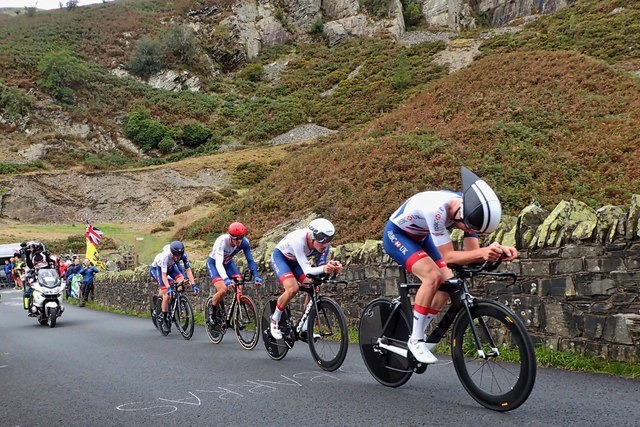
Brailsford put this into action with the British cycling team. When he joined, the team hadn’t won anything for a very long time. Rather than fundamentally reworking everything, he took a step back and looked at all aspects of the team (athletes, bikes, the support network, etc.). He encouraged the team to identify and then make small, marginal gains everywhere, from the cyclists’ sleeping patterns, to the gel they used when they were injured, and many more. It was important for them to look beyond the usual places.
I’ve recently been working with one of our amazing clients, introducing the ‘marginal gains’ mindset. We want to help them with continuous improvement because it’s one of their key values. In the workshop we designed for them, we explore, ‘what’s the one thing I could do differently to improve things, for me, my team and others? What’s my one percent change?’ If all employees did this, the change would be significant. In these workshops, we have participants from all different disciplines, roles and backgrounds. What we find is that similar things frustrate them, but if they all make a small change, it has the potential to really help the business thrive.
Incremental improvement is about breaking down change into manageable chunks and shifting your habits. A simple way to get started is by asking for, receiving and acting on feedback to kick off a cycle of improvement. These questions might help you with some self-reflection, as a starting point:
- what can I do differently?
- what can the organisation do differently?
- what can we/I do more of?
- what can we/I do less of?
At Rambutan, one habit that we’re amazingly good at is giving timely feedback. After I run any session with a member of the bunch, we ask for ‘likes and prefers’. It’s a quick temperature check to say, ‘What did we like? What worked? What would we prefer? What needs to change to make it even better?’ Feedback is in our DNA, as we strive to continuously improve. It’s personal, but it links back to the business and how we want Rambutan to grow and be even more brilliant.
Using ‘likes and prefers’ with your team, is a great way to be really collaborative with how you’re going to improve. It’ll show what individuals liked about the process and what they would prefer for the future. It’s a clear example of what should change, and how the team can work together on this change after they’ve had the chance to discuss it.
A big change can be quite daunting, especially when you’re making a change for your team. But, stepping back and looking at the whole picture, making small steps in the right direction can make it easier for the change to be accepted.
What small change could you make today?